
For decades, the three summer days considered the hottest of the year were among the most profitable for dog meat restaurants in South Korea. Customers were looking for «bosintang», a traditional soup thought to strengthen the body's resistance to heat.
The third and last of these days, known as «boknal»This year he had a different weight. It was the last before the full implementation, in February 2027, of prohibition on rearing, slaughtering, distributing and selling dogs for human consumption.
As broadcast by Reuters, at the Seannam City Moran market near Seoul, the tables were filled on Friday. However, the picture did not resemble the times when the area was the most important dog meat trading centre in the country.
Many shops have already turned to alternative dishes, mainly in Black goat soup. Few customers who still ask for dog meat are mostly elderly.
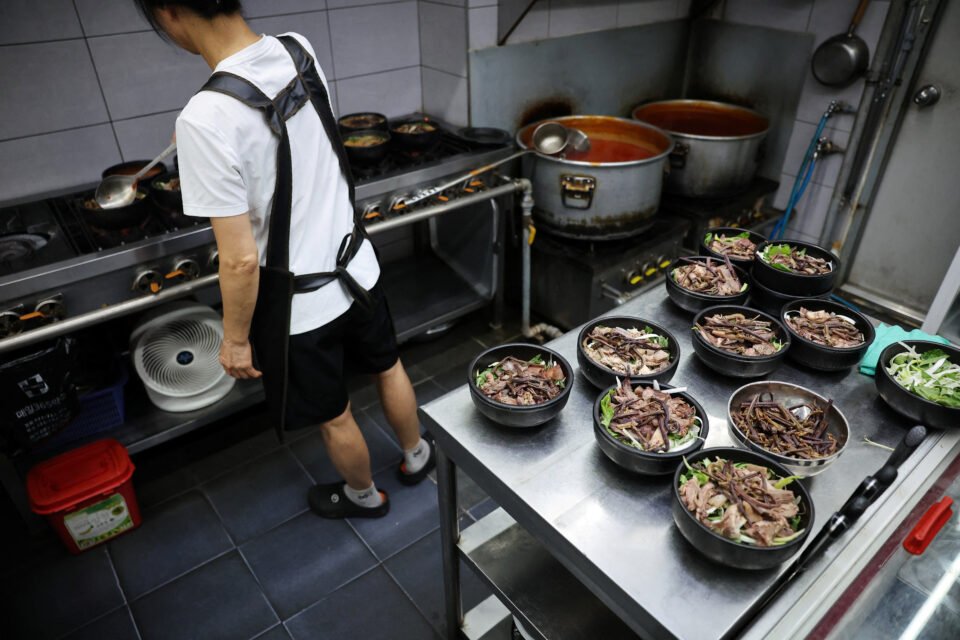 Photo: Reuters
The market that grows old and disappears
Kim Yong-book, head of Moran's trade union, has worked in the area for more than 40 years. It describes a market that has now lost most of its movement and mainly serving people of old age.
The state ban, however, did not bring the collapse of consumption. Stamping a social change which had begun much earlier, as the increase in pet ownership and greater sensitivity to animal abuse radically changed the attitude of the South Koreans.
In a poll published shortly before the law was passed in 2024, more than nine out of ten respondents said they were not planning to consume dog meat in the future. Over 80% supported the ban, while nearly 95% reported that it had not eaten dog meat in the previous year.
In the air thousands of businesses
The transition, however, has significant economic costs. According to government data, legislation affects more than 5,600 businesses, from farms and distributors to restaurants.
Most dog farms are already closed ahead of the 2027 deadline. The government is committed to financially supporting farmers, merchants and restaurateurs who are forced to change professional activity.
For many elderly entrepreneurs, however, change is not simple. The turn in Black goat soup, also shown as traditional «tonic» food, hasn't fully made up for lost sales.
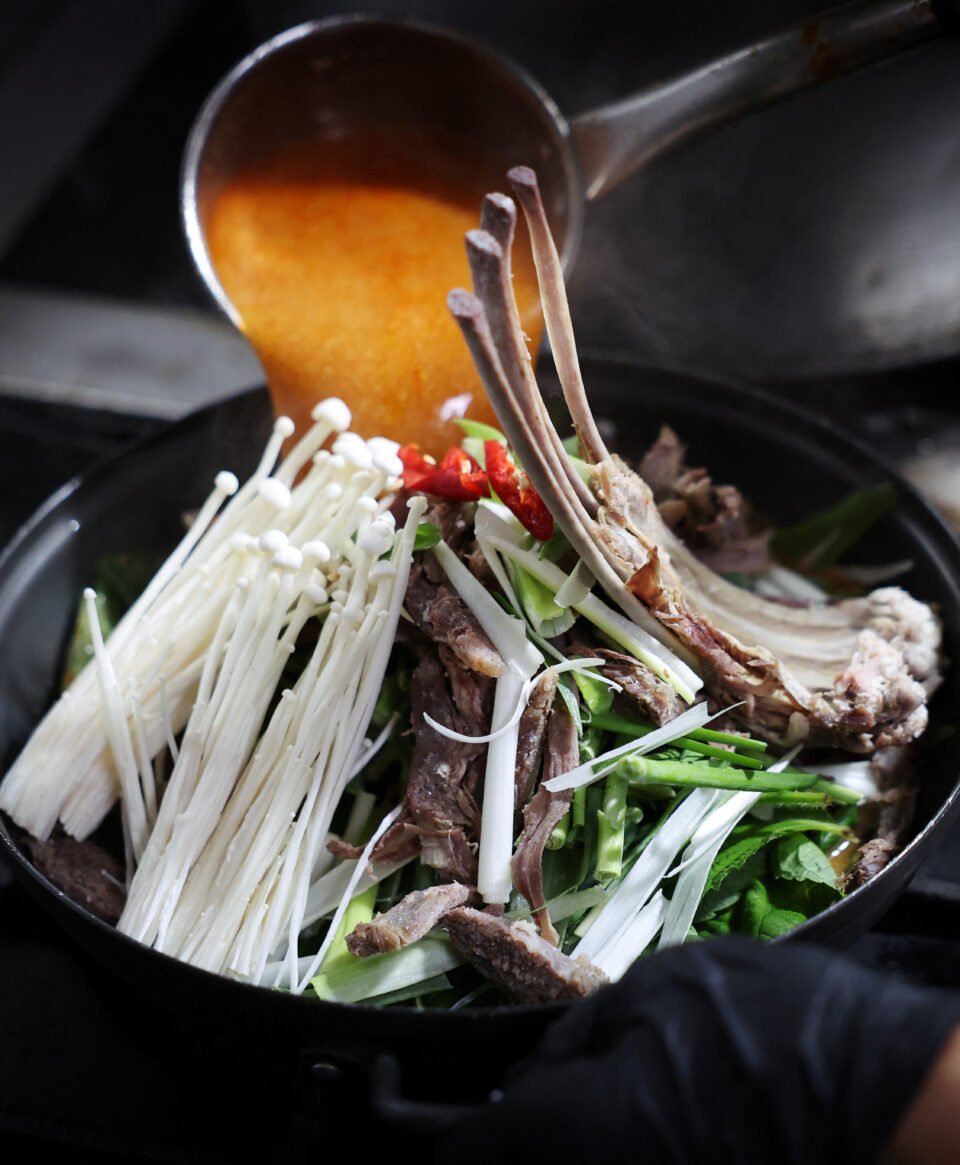 Photo: Reuters
Typical is the case of Lee Kang-chun, who has been active in the industry for 37 years. Although it considers it right to stop eating dog meat, both because of the country's international image and because of changing social perceptions, it calls for greater support for older market professionals.
He still serves the traditional dish, despite increased supply costs and limited profit margins, especially for his old customers.
Sentences from February 2027
The ban was passed by the South Korean parliament in January 2024, after several years of pressure from animal protection organisations. The campaign had gained greater momentum over the presidency Yoon Suk Yeol, with then-first Mrs Kim Keon Hee to publicly support the abolition of practice.
The law provided for a three-year transitional period for companies to adapt. Since February 2027, those who violate the ban will face financial fines and prison sentences.
For younger South Koreans, the change seems to have already occurred. For a larger generation of consumers and professionals, however, this year's latest «boknal» It marked the final closure of a cycle lasting decades.
Source: MoneyReview

