
Ten draft proposals were able to focus the European Central Bank's (ECB) interest in its next series of notes EUR. Among these proposals is a Greek, that of the painter and engraver Myrsini Vardopoulou.
Adopting his pattern «European Culture» and reflecting historical figures of the letters, arts and sciences of Europe, Myrsini Vardopoulou submitted her own approach to the new notes.
This is the fifth proposal submitted and its communication approach, as stated in the description of the ECB's website, focuses on the universal value of each individual's work rather than on its personality.
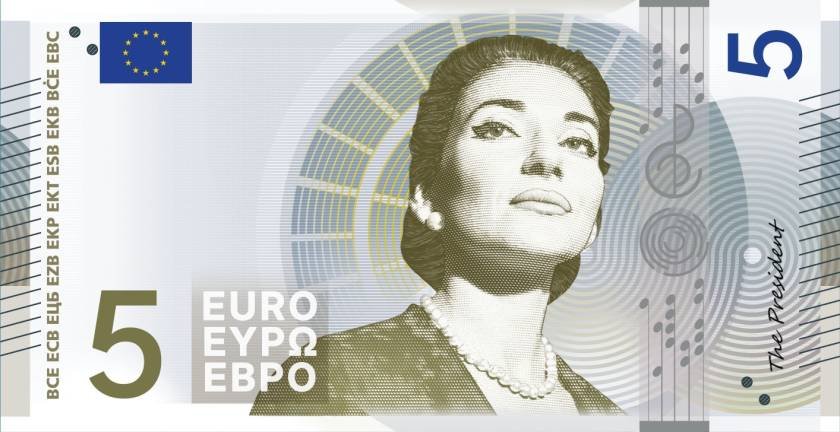
Jehovah’s Witnesses, 6 / 1
Photo 1/6
Proposal E – Myrsini Vardopoulos
Source: Myrsini Vardopoulos
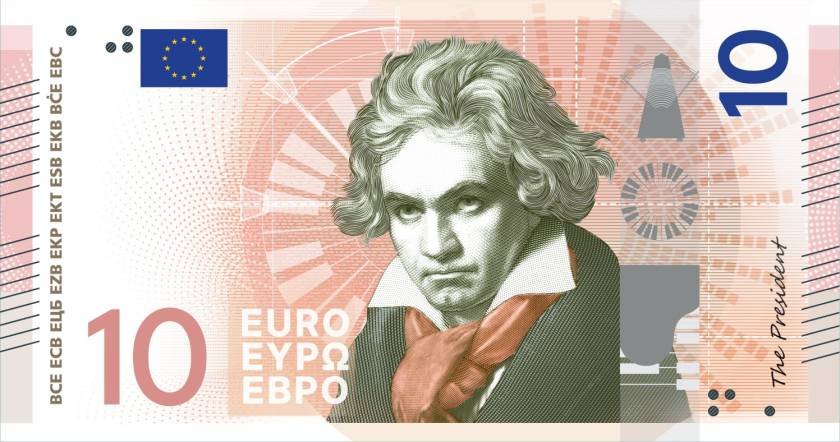
Photo 2/6
Proposal E – Myrsini Vardopoulos
Source: Myrsini Vardopoulos
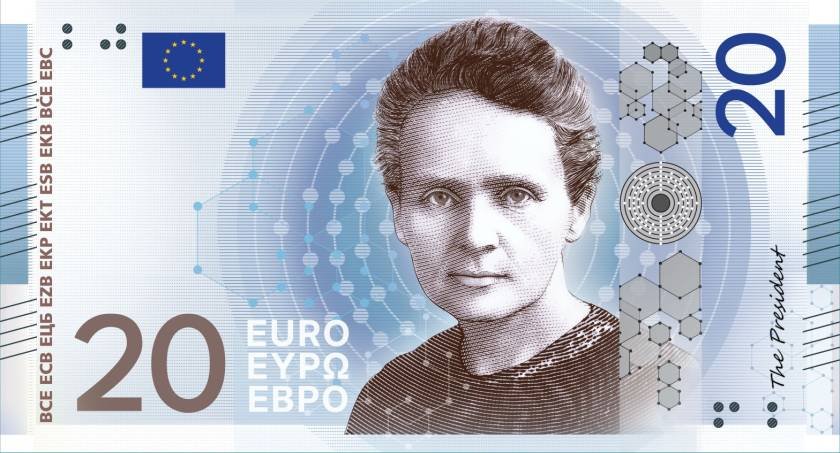
Photo 3/6
Proposal E – Myrsini Vardopoulos
Source: Myrsini Vardopoulos
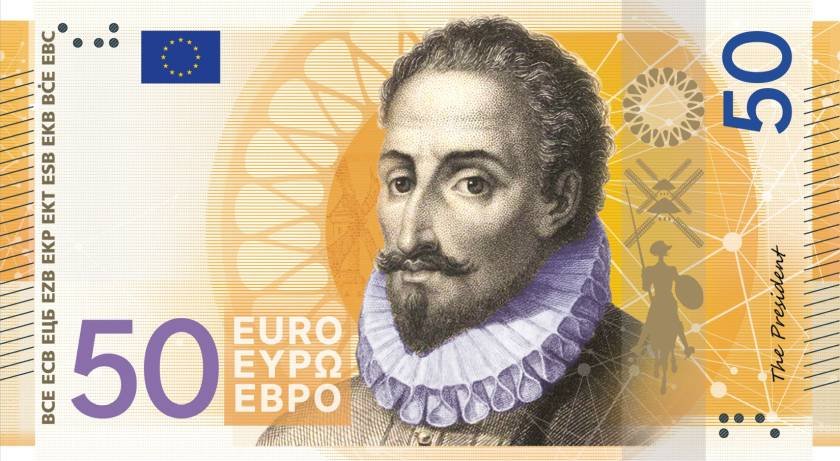
Photo 4/6
Proposal E – Myrsini Vardopoulos
Source: Myrsini Vardopoulos
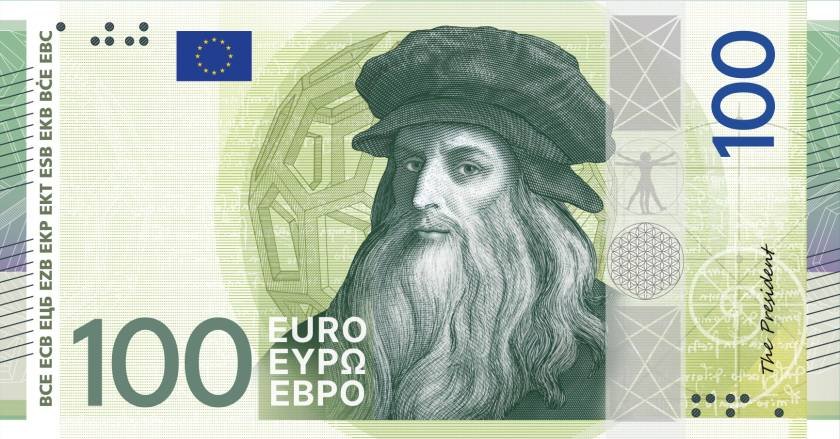
Photo 5/6
Proposal E – Myrsini Vardopoulos
Source: Myrsini Vardopoulos
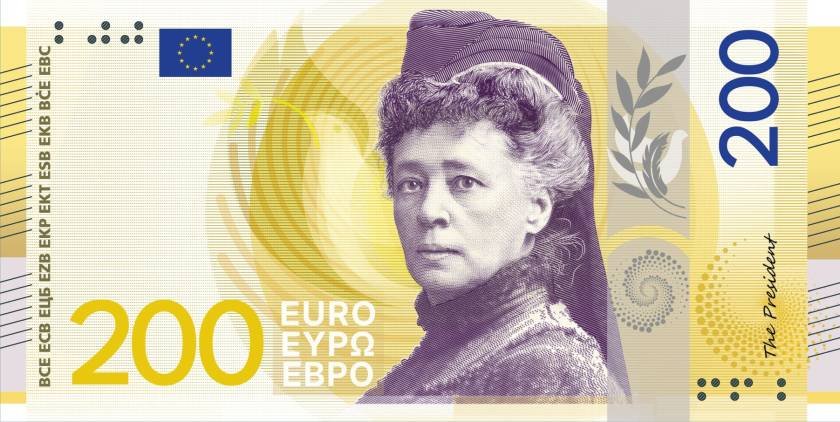
Photo 6/6
Proposal E – Myrsini Vardopoulos
Source: Myrsini Vardopoulos
«The circle and symbols function as an optical message stating a mental space. This space offers viewers direct visual intimacy» indicates features.
«At the same time, symbolic evidence provides distinctive references to a deeper conceptual reading» Notes.
«In this way, the project conveys the message that, despite the diversity of individuals, their contribution is a single source of inspiration and a means of reconnecting with familiar but constantly evolving cultural values» stresses.
Myrsini Vardopoulou is an accomplished painter and engraver who deals with the design and production of the Greek stamp.
It is worth noting that, for years, she has been responsible for the creation and supervision of printing stamps and all philatelic products for ELTA.
Among 1,200 applications
The proposals qualified are the result of a design competition at European Union level. Over 1,200 requests were received from graphic designers, 25 of whom were invited to create design proposals for one or both topics.
An independent jury consisting of 21 experts in different areas was appointed by a Eurozone central bank and then selected 10 design proposals.
Now, every member of Europe can express its opinion after the Governing Council of the ECB has decided to conduct an online investigation into these 10 design proposals.
The public investigation will remain open until 21 September 2026.
A separate survey with the same questions will be conducted alongside an independent research firm in a representative sample of euro area citizens.
The Board is expected to make the final decision on the new plan around the end of 2026.
The first full redesign of the notes since 2002
The selected plan will be tested before being put into production. The banknotes in the new series are expected to enter into circulation in the coming years.
The euro banknotes of the previous series will retain their value and continue to circulate alongside the new series. This will be the first full redesign of the notes since 2002.
New banknotes will incorporate new and improved security features to improve identity control and accessibility, even for visually impaired persons.
The ECB also aims to reduce the environmental footprint of the notes, strengthening their resilience and using more sustainable materials and production processes.

