
Its integration artificial intelligence (AI) in the operation of large-scale industrial machinery radically alters data at workplaces, transferring critical decisions on human safety to algorithmic systems. However, the credibility of these systems is very much under consideration.
A characteristic, he notes Social Europe, an example is the new generation forklifters using AI to detect imminent collision and automatic activation of the braking system.
In cases where the system fails to identify an employee due to technical error, the burden of avoiding the accident returns solely to the human operator's reflexes.
Reactions are caused by the exclusion of industrial machinery from the strict safety rules of Artificial Intelligence
The most important problem in such scenarios is the absence of sufficient data recording (traceability), which makes it impossible for security auditors to determine whether the error came from sensors, model training data or from the AI system itself.
This functional gap highlights the need for specialized safety valves. As artificial intelligence gradually replaces mechanical controls and human crisis, ensuring its proper functioning becomes vital to avoiding serious accidents at work.
With this data, the recent decision of the European Union to remove the Regulation on Machinery (Machinery Regulation) from Annex I, Section A of the Act on Artificial Intelligence (AI Act), raises serious concerns.
The legislative change and "Digital Omnibus"
In May 2026, European lawmakers approved the bill «Digital Omnibus on AI», which entered into force immediately. Its aim was to establish simplified rules that would encourage innovation. As a direct consequence of this policy, industrial products and artificial intelligence-based safety components were excluded from the direct scope of the AI Act and its strict requirements for systems «high risk».
AI Act (EU Regulation 2024/1689) establishes legally binding obligations specifically designed for artificial intelligence, regulating issues such as data governance, algorithmic prejudices (bias), cybersecurity and quality management. On the contrary, the existing Regulation on Machinery (EU Regulation 2023/230) does not contain corresponding specific provisions for AI. The deletion of the reference to the Regulation on Machinery in practice means that these vital obligations cease to apply to the machinery safety components.
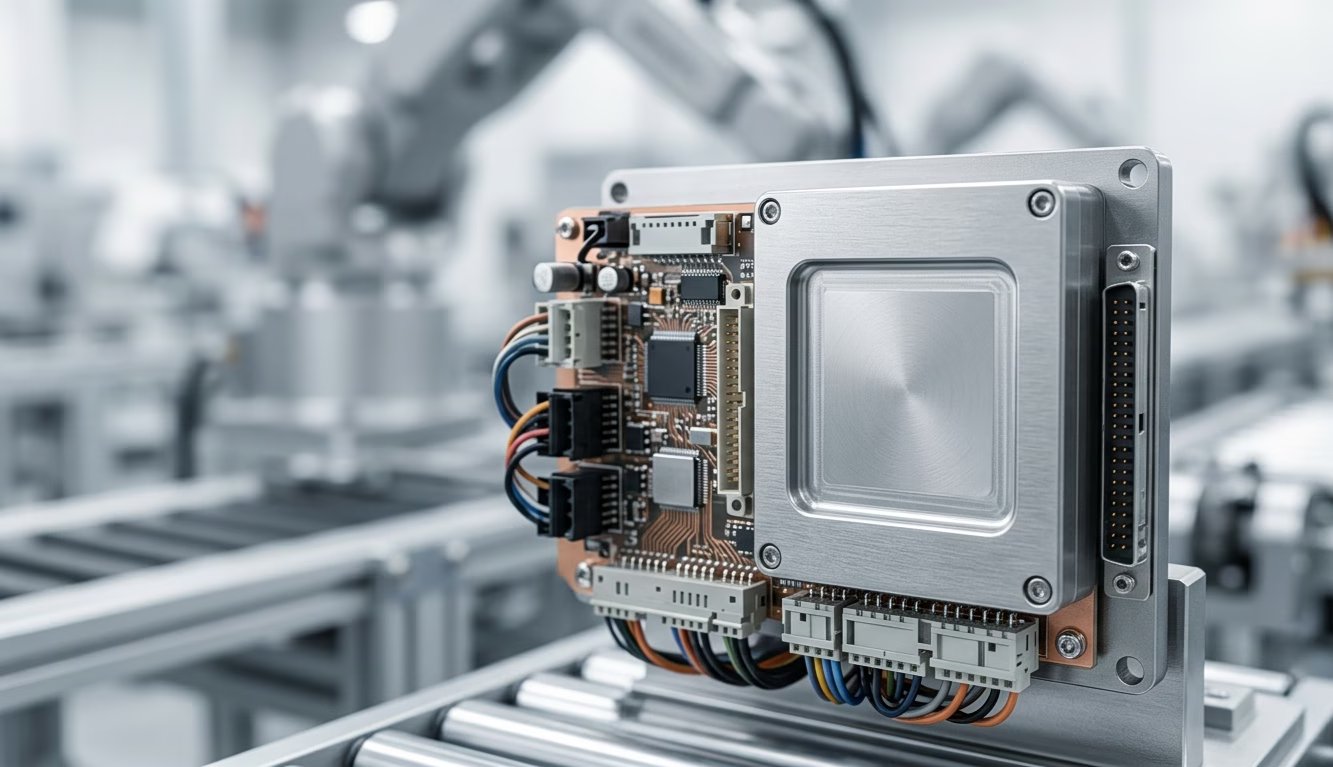
The legal vacuum in the safety of artificial intelligence machines
The official argument for this regulatory change was to avoid overlaps between the two Regulations. In practice, however, this decision temporarily leaves machine manufacturers without an equivalent legal framework focused on artificial intelligence. In order to fill the gap, the European Commission has launched a proposal to amend the Rules of Procedure on Machinery, through a «Delegated act» (delegated act). The Commission now has a two-year margin to incorporate the essential health and safety requirements of the AI Act into the Machinery Regulation without requiring full recasting of legislation.
Trade union attitudes and the risk of uncertainty
Η εξέλιξη αυτή προέκυψε κατόπιν συντονισμένης πίεσης από τμήματα της βιομηχανίας μηχανημάτων, τα οποία ζήτησαν απλούστευση των διαδικασιών συμμόρφωσης στο όνομα της ευρωπαϊκής ανταγωνιστικότητας. Ωστόσο, η Ευρωπαϊκή Συνομοσπονδία Συνδικάτων (ETUC) εκφράζει σοβαρές επιφυλάξεις για αυτόν τον ρυθμιστικό διαχωρισμό. Οι εκπρόσωποι των εργαζομένων τονίζουν ότι η ανάγκη για παραγωγικότητα δεν μπορεί να αποτελεί δικαιολογία για την αποδυνάμωση των μέτρων προστασίας, ειδικά από τη στιγμή που το AI Act διέθετε ήδη μηχανισμούς αποφυγής της διοικητικής γραφειοκρατίας.
Το βασικό πρόβλημα έγκειται στο μεταβατικό διάστημα. Μέχρι τον Αύγουστο του 2028, οπότε και αναμένεται να ολοκληρωθεί η ενσωμάτωση, οι κατασκευαστές θα βασίζονται σε εναρμονισμένα πρότυπα για την τεχνητή νοημοσύνη. Όμως, όπως επισημαίνουν νομικοί αναλυτές, τα τεχνικά πρότυπα δεν μπορούν να υποκαταστήσουν τη νομοθεσία. Λειτουργούν ως γέφυρα, αλλά δεν μπορούν να δημιουργήσουν επίπεδα προστασίας που ο ίδιος ο νόμος πλέον δεν εγγυάται άμεσα. Αυτό δημιουργεί αβεβαιότητα τόσο στους κατασκευαστές, που δεν γνωρίζουν πώς ακριβώς θα διαμορφωθεί το τελικό πλαίσιο ελέγχου, όσο και στους εργαζομένους, που ανησυχούν για ενδεχόμενη νομική «έκπτωση» των δικλίδων ασφαλείας.
Ο ορισμός των εξαρτημάτων ασφαλείας
Επιπρόσθετη ανησυχία προκαλεί το ενδεχόμενο στένωσης του ορισμού του «εξαρτήματος ασφαλείας». Επί του παρόντος, η νομοθεσία ταξινομεί ως υψηλού κινδύνου μόνο τα συστήματα AI που προορίζονται να λειτουργήσουν αυστηρά ως εξαρτήματα ασφαλείας σε προϊόντα που υπόκεινται σε αξιολόγηση συμμόρφωσης από τρίτους. Καθώς το AI ενσωματώνεται σε ευρύτερες λειτουργίες, όπως η αποφυγή εμποδίων ή η αναγνώριση πεζών (όπως στο παράδειγμα του περονοφόρου), ενδεχόμενος περιορισμός του ορισμού θα μπορούσε να αφήσει τέτοια κρίσιμα συστήματα εκτός της κατηγορίας υψηλού κινδύνου, επιτρέποντας την κυκλοφορία τους χωρίς τις ελάχιστες εγγυήσεις ασφαλείας.
Η ευθύνη μεταφέρεται πλέον στην Ευρωπαϊκή Επιτροπή, η οποία καλείται να διασφαλίσει ότι κάθε σχετική δικλίδα του AI Act θα μεταφερθεί αυτούσια και λειτουργικά στον Κανονισμό για τα Μηχανήματα, εντός σαφούς χρονοδιαγράμματος και με διαφάνεια. Το ζητούμενο, σύμφωνα με τους ειδικούς της εργασιακής ασφάλειας, είναι σαφές: η ευθύνη για τους νέους τεχνολογικούς κινδύνους πρέπει να παραμένει στους κατασκευαστές και τους σχεδιαστές, και να μην μετακυλίεται στον τελικό χρήστη. Η τεχνολογία οφείλει να εξελίσσεται ταχύτατα, αλλά η προστασία της ανθρώπινης ζωής στο βιομηχανικό περιβάλλον δεν επιδέχεται απλουστεύσεις.

